Tuesday, July 29, 2025

The Truth About Deworming – What Every Goat Owner Should Know

If you’ve spent any time around goats, you’ve probably heard someone say, “Goats are always wormy.” And, well… there’s a little truth to that. Parasites are a constant concern in goat keeping, and managing them properly is one of the most important things you can do to keep your herd healthy and thriving. But the truth about deworming isn’t as simple as just grabbing a tube of something and hoping for the best.

Today, we’re digging into the nitty gritty of goat deworming—why fecal testing matters, where natural methods help, and why it’s crucial to bring out the big guns when a real outbreak hits.

Understanding Parasites in Goats

Internal parasites, especially barber pole worms (Haemonchus contortus), are a common threat to goats. These little guys latch onto the lining of the goat’s stomach and suck blood—causing anemia, weight loss, bottle jaw, and even death if left untreated.

Other parasites like coccidia (especially in kids), tapeworms, and lungworms can also cause issues, though barber pole worms tend to be the most dangerous in adult goats.

Why “Routine Deworming” Doesn’t Work Anymore

It used to be common practice to deworm all your animals every few months, just in case. But here’s the problem: that strategy led to dewormer resistance—where parasites evolve to survive the very medications meant to kill them. Once that happens, even the strongest chemical dewormers can fail.

So the new standard in goat care is targeted deworming—only treating animals that actually need it. And the only way to know for sure? Fecal testing.

Fecal Testing – Your Secret Weapon

Fecal testing (or a fecal egg count) is the process of examining a sample of your goat’s poop under a microscope to see what kind of parasite eggs are present and how many.

You’ve got two main options here:

  • Have your vet run a fecal – This is the most reliable option and will give you a clear egg count per gram (EPG).
  • Do your own fecals at home – With a simple microscope kit, you can learn to do this yourself. It’s not as scary as it sounds and can save a lot of money if you have a larger herd.

This is how we monitor parasite levels on our farm. We don’t treat blindly—we test, assess, and then treat only the animals who truly need it. It’s better for the goats, the dewormers, and your wallet.

When Natural Dewormers Work… and When They Don’t

There’s a lot of talk out there about natural dewormers—things like garlic, pumpkin seeds, herbal blends, and diatomaceous earth. And look, we’re not here to bash them. We actually do use some of these on our own farm as preventive support.

For example:

  • We add garlic powder to feed periodically.
  • Our goats have access to browse that includes natural worm-repelling plants.
  • We keep their environment clean and dry to reduce reinfection.

All of this helps reduce parasite load, which is wonderful for long-term management.

But here’s the truth:
If your goat is already suffering from a heavy parasite load, natural methods are not enough. You need a pharmaceutical dewormer. This is not the time to experiment with pumpkin seeds and prayers.

Treating an Active Infestation

Once you’ve confirmed a high egg count or signs of anemia (like pale eyelids or bottle jaw), it’s time to act fast. And this is where your veterinarian’s guidance is invaluable.

Here’s why:

  • Different parasites require different medications.
  • Dosage is critical—goats metabolize drugs differently than other livestock.
  • Underdosing contributes to resistance and doesn’t kill the worms.

Your vet may recommend products like:

  • Valbazen (broad-spectrum, not safe for pregnant does)
  • Cydectin (stronger, often used against resistant worms)
  • Ivermectin (less effective in some areas due to resistance)
  • Toltrazuril or Baycox for coccidia, especially in kids

Don't forget to repeat fecals 10–14 days after treatment to make sure it worked. Sometimes, a second dose is necessary.

Prevention Is Always Better Than Cure

The best way to fight parasites is to keep their numbers low from the start. Here are some practical ways we do this on our farm:

  • Rotational grazing – Moving goats to clean pasture frequently gives worm eggs time to die off before goats return.
  • Avoid overstocking – Crowded pastures mean more poop, more worm eggs, and more reinfection.
  • Elevate hay feeders and water buckets – Keeps poop out and reduces exposure.
  • Monitor body condition and eyelid color (FAMACHA scores) – This quick visual check can tell you if anemia is creeping in.
  • Do regular fecal checks – Yes, we’re saying it again. It really is that important.

Our Real-Life Deworming Routine

We don’t deworm every goat on a schedule. We:

  • Fecal test new arrivals and quarantine them.
  • Fecal test our does a few weeks before kidding.
  • Check FAMACHA scores monthly (more often in summer).
  • Treat only when it’s truly needed—and follow up with a recheck.

It’s a little more work, but it helps protect our herd and our medications from resistance.

Final Thoughts

Goat parasites aren’t something to be feared—but they do demand respect. Good management, regular monitoring, and informed decision-making go a long way toward keeping your herd healthy and your peace of mind intact.

Natural remedies have their place in prevention, and we’re all for using herbs and holistic support. But when you’re facing an active parasite outbreak, don’t gamble with your goat’s life. Listen to your vet, treat effectively, and follow through.


Got a Deworming Story?

Have you ever dealt with a stubborn parasite problem in your goats? Found a natural routine that works for prevention? Drop your tips or questions in the comments—we love hearing how other goat keepers manage the worm wars!

Monday, July 21, 2025

The Truth About Livestock Guardian Puppies and Their “Puppy Phase”

When people picture livestock guardian dogs, they usually imagine the end result: a majestic, stoic white dog lying in a pasture, calmly watching over goats, chickens, or even toddlers like a fluffy, benevolent protector. What they don’t imagine is that same majestic dog, three months earlier, covered in mud, chewing on a goat's ear, and proudly barking at a wheelbarrow for no reason.

Welcome to the puppy phase.

Here at Andersen Acres, we raise Great Pyrenees and Pyrenees-Anatolian crosses. These dogs grow into phenomenal guardians—but not overnight. There’s this myth floating around that LGDs are “born knowing their job,” and while there’s some truth to that (they’re bred for the instincts), instinct doesn’t equal training. Or manners. Or maturity. It certainly doesn’t mean they’re born knowing not to chase ducks just because it looks fun.

Fluffy Chaos With Giant Paws

The puppy phase is… a lot. These pups are sweet and cuddly, sure, but they’re also enormous babies with the energy of a border collie and the decision-making skills of a toddler. They chew everything. They dig craters in the yard. They knock over feed buckets, play tag with barn cats, and sleep in the middle of high-traffic areas like they own the place. (And let’s be honest—they kind of do.)

Sometimes they follow the goats like little shadows. Other times, they chase the goats like it’s a game. And every so often, they completely ignore their livestock charges in favor of guarding something truly vital—like a garden hose or a stick.

When Does It Get Better?

Most LGDs start to turn the corner around 12 to 18 months. Some earlier. Some later. They mellow out, they tune in, and they start to understand the rhythms of the farm. You’ll catch them making smart decisions without prompting. You’ll see them settle near the flock without being told. You’ll find yourself sleeping a little easier at night knowing they’re out there doing their job.

But before that… it’s a rollercoaster.

How We Handle the Puppy Phase

At Andersen Acres, we raise our LGDs on-site with daily exposure to all the animals: goats, chickens, ducks, turkeys, rabbits, barn cats, quail, even the mini horses. The key is supervised exposure. We don’t expect puppies to be perfect, but we do guide them, redirect them, and set boundaries early.

Some things that help:

  • Crate training or using a barn stall during the night or unsupervised moments
  • Positive reinforcement when they do well (praise goes a long way!)
  • Interrupting unwanted behaviors like rough play or livestock chasing
  • Pairing pups with older dogs (if you’ve got them) so they can learn by example

And above all else—patience. Lots and lots of patience.

Why It’s Worth It

Once these pups grow up, they become calm, confident, and incredibly loyal. They know their animals. They bond with them. They respond to threats before you even know one exists. A mature LGD doesn’t just protect your livestock—they become a cornerstone of your farm.

Yes, the puppy phase is wild. Yes, there will be chaos and mud and at least one moment where you ask yourself what you were thinking. But it’s also adorable, rewarding, and full of those little “ah-ha” moments where it all starts to click.

If you’re in the middle of it right now—hang in there. Your muddy, mischievous pup will grow into the guardian you need. And one day, you’ll look out over the pasture, see them resting quietly among the herd, and realize… it was all worth it.

Saturday, July 19, 2025

Farm Vlog – Calm Days, Dirty Pups, and Manufactured Drama

Welcome back to Andersen Acres! Today’s farm vlog is all about the quiet side of hobby farming—the kind that doesn’t make viral headlines but keeps a farm running strong. No drama, no disasters—just the peaceful rhythm of daily chores, feeding the animals, and cleaning up after our crew. The Great Pyrenees puppies are still here (all seven!), and while we’re relieved no one left for a new home today, they did find something gross to roll in—so puppy baths are officially on the agenda.

I also took some time to reflect on a trend I’ve noticed across other farm channels: crisis content for clicks. Manufactured emergencies may boost views, but they can scare off new homesteaders who think hobby farming is nonstop stress. The truth? Most days are like this—low-key, fulfilling, and grounded in care and routine.

If you’re curious what real hobby farm life looks like without the YouTube sensationalism, this video is for you. Come hang out with us while we take care of our animals, get a little muddy, and share some honest thoughts.


#HobbyFarming #HomesteadingLife #GreatPyreneesPuppies #FarmVlog #RealFarmLife #AndersenAcres #RaisingAnimals #RuralLiving #NoDramaFarm #LivestockGuardianDogs

Wednesday, July 16, 2025

Farm Vlog – Calico Kitten Cuddles and Saying Goodbye to Pyrenees Puppies

Welcome back to Andersen Acres! Today’s hobby farm vlog brings a quieter moment on the homestead, but it’s full of love and animal time. We introduce you to Autumn, our beautiful dark calico kitten who has officially won our hearts and is staying here on the farm. You’ll also get one last sweet look at Tequila’s litter of eight fluffy Great Pyrenees puppies before they head off to their forever homes.

These gentle giants have been a joy to raise, but no—we’re not keeping one, and in this vlog, I explain why. As much as we love our dogs, there’s a season for everything, and sometimes that season doesn’t include adding a new pup to the pack.

If you enjoy hobby farming, homesteading, or just love watching adorable animals in a peaceful, down-to-earth setting, this one’s for you. Come spend the day with us and enjoy a slower rhythm of life on the farm.

Don’t forget to like, subscribe, and leave a comment—especially if you’ve ever struggled with not keeping “just one more” animal!


#HobbyFarming #FarmVlog #HomesteadLife #GreatPyreneesPuppies #CalicoKitten #AnimalLovers #FarmAnimals #HomesteadVlog #AndersenAcres #LivestockGuardianDogs #FarmLife #FarmPets #RaisingAnimals

Monday, July 14, 2025

The Realities of Breeding on a Small Farm – Joy, Loss, and Everything in Between

There’s nothing quite like spring on a hobby farm. The air smells like damp straw and possibility, the sun lingers a little longer each evening, and all around us—new life begins to stir. Tiny hooves, fuzzy ears, squeaky mews and peeps. If you follow Andersen Acres, you’ve probably noticed we’ve had a bit of a baby boom lately: kittens, bunnies, puppies, chicks… you name it, it’s probably squeaking in our barn right now.

But while baby animals might look like the pinnacle of farm life on Instagram, the reality of breeding on a small farm is a lot more complex. It’s messy, unpredictable, joyful, exhausting, and sometimes heartbreaking. So today, I want to pull back the curtain and talk honestly about what it’s really like to breed animals on a small-scale homestead like ours.


The Joy – Why We Breed in the First Place

Let’s start with the obvious: baby animals are magical. There’s a reason everyone swoons over a newborn goat or a just-hatched duckling. Watching life begin—watching an animal take its first breath, first steps, first wobbly adventures—is one of the most awe-inspiring parts of farm life.

We breed for a lot of reasons here. Sometimes it’s practical—we need working livestock guardian dogs to protect our herd, or new layers to keep up with egg demand. Sometimes it’s for preservation, like maintaining the genetic lines of heritage rabbits or rare chicken breeds. And sometimes, yes, it’s because we genuinely love helping create the next generation of healthy, happy animals.


The Chaos – Timing Is Never Perfect

You’d think by now we’d have a handle on the timing. (We don’t.) You plan for spring births… and suddenly a goat you thought wasn’t pregnant drops twins in February. Or you time litters so they don’t overlap, and the universe laughs as the bunnies, the puppies, and the kittens all arrive within 72 hours of each other.

When you breed multiple species, juggling the different gestation lengths, nesting needs, housing requirements, and weaning timelines turns into a complicated spreadsheet in your head. And forget sleeping in. Babies don’t care if you were up all night helping deliver a breech kid. They want milk now.


The Responsibility – Every Decision Matters

Breeding animals means you take on enormous responsibility. It’s not just about feeding and housing them. It’s about making decisions that shape their entire lives—and potentially the lives of the families they go on to join.

We spend months researching lines, selecting pairings based on temperament and health, tracking heat cycles, and preparing spaces. Once the babies are born, they need round-the-clock monitoring, socialization, and health checks. You become their first protector and teacher.

And then, at some point, you have to let them go.

That part never gets easier.


The Loss – Not Every Story Has a Happy Ending

Here’s the part a lot of people don’t talk about: not every birth ends in celebration. Sometimes you lose a baby. Sometimes you lose a whole litter. Sometimes, in the worst cases, you lose the mother too.

And every time, it breaks your heart.

You never forget the bunny who didn’t make it, or the puppy who passed quietly in the night despite your best efforts. You carry those losses with you. And yet—you keep going. Because the good outweighs the grief. But that grief is real. And anyone thinking about breeding on a small farm needs to be prepared for that reality.


The Ethics – Just Because You Can Doesn’t Mean You Should

One of the biggest lessons we’ve learned over the years is that breeding should never be casual. It’s not something you do “just for fun” or because the babies are cute. Every single animal brought into the world should have a purpose and a plan.

We don’t breed just because we have two animals of opposite sex and compatible parts. We breed because we have a goal: healthier animals, improved lines, trained working dogs, sustainable production, or rare breed conservation. And we make sure we have the space, time, and resources to do it well.

If we don’t have a plan for placement, we don’t breed. Period.


The Community – Raising With Support

One thing that helps keep us sane during these baby-filled months is the farm community. We have fellow farmers we can call at midnight when a delivery is going sideways. We swap tips on bottle feeding and weaning. We cheer each other on when the babies thrive—and we grieve together when they don’t.

Breeding on a small farm can feel isolating if you don’t have that kind of support. But you don’t have to go it alone. Whether it’s local farmer friends or online communities, find your people. Trust me—it makes a difference.


The Magic – And Why We Keep Doing It

So why do we keep breeding despite the chaos and heartache? Because when it works—when that bunny nest wriggles to life, when a mama cat starts purring as her kittens nurse, when a goat lets out a triumphant yell and stands up with twins beside her—it’s pure magic.

Because we believe in raising animals the right way, with intention, love, and care. Because we believe in doing our part to preserve breeds and build strong lines. And because, even on the hardest days, this life fills our hearts in a way nothing else can.


If you’ve ever thought about breeding animals on your own small farm, my advice is simple: do your homework. Be honest with yourself. Plan carefully. And above all—lead with love.

Farm Vlog – Puppy Visits, Calico Kittens & Floor Eggs?!

Welcome back to Andersen Acres! Today’s farm vlog is a slower-paced look at life on the homestead—family visits, playful puppies, and a calico kitten who’s finally warming up to us. My mom and older sister stopped by for a visit, and my sister got to meet Tequila’s adorable Great Pyrenees puppies before they start heading off to their forever homes. It was a special moment—eight fluffy farm guardians all together for the last time.

Meanwhile, Rowan bonded with Autumn, the shy calico kitten who’s been living under our deck. With a little fishy bribe, he may have officially won her heart! We also talk about how Autumn might be stepping into the role long held by our wise old cat, Magic—not replacing him, but slowly learning his ways and easing into her place in the heart of the homestead.

And of course, the chickens added some chaos—young layers are starting to produce eggs in the weirdest places. Today’s find? An egg right in the middle of the barn floor.

If you love homestead life, Great Pyrenees puppies, cats, and chickens doing ridiculous things, you’ll enjoy this relaxing look at a day on the farm.


#homesteading #hobbyfarming #greatpyrenees #farmvlog #homesteadlife #raisinganimals #backyardchickens #farmanimals #kittenlife #countryliving

Saturday, July 12, 2025

Farm Vlog – Surprise Chicks, Grumpy Rabbits, and Wildfire Smoke

Welcome back to Andersen Acres! In today’s farm vlog, we’re juggling chaos and calm as the unexpected happens—again. We discovered baby chicks running loose in the barnyard, and here’s the twist: our ducks hatched them. That’s right—some sneaky ducks decided to brood chicken eggs, and now we’ve got surprise chicks who think they’re ducklings. We scooped up as many as we could and moved them safely into the brooder.

But that’s not all—our solid blue Rex rabbit, Smeagol, gave birth this morning! She had four adorable babies, though she’s not too thrilled with me about it. She keeps boxing me, so Rowan’s taken over most of the bunny care duties. Smeagol’s got attitude, but we love her anyway.

Meanwhile, the wildfire smoke continues to blanket the farm, making the air thick and the sky hazy. We’re safe for now, but it’s a reminder of how unpredictable homestead life can be.

If you love animals, hobby farming, or just want a peek into our unpredictable day-to-day life, don’t miss this one!


🐥🐇🔥

#hobbyfarming #farmvlog #homesteadinglife #raisinganimals #babychicks #rexrabbits #barnyardchaos #unexpectedanimals #rurallife #farmanimals #andersenacres #ducksandchickens

Thursday, July 10, 2025

Farm Vlog – Puppies at 6 Weeks, No Kittens Left, and I’m Melting

It’s brutally hot, the mosquitoes are out for blood, and I made the shortest farm vlog I’ve ever filmed—because honestly, I just couldn’t anymore. Welcome back to Andersen Acres, where even when nature tries to chase us back inside, the animals still need us and the camera still rolls. In this quick check-in, we give you a six-week update on our Great Pyrenees puppies—who are doing amazing, barely need their mama now, and are absolutely thriving in the sunshine. They’ll be heading off to their new homes in just ten days!

We also talk about our now kitten-free barn, since all of our little fluffballs have officially gone to new families. And Twig the bunny? He’s likely packing his bags for a new adventure by Friday. If you’re into realistic farm life, where not every video is long and polished and bug-free, this one’s for you. Come sweat with us.

Whether you’re a homesteader, an animal lover, or just someone who enjoys a peek into farm life, this bite-sized vlog is still packed with updates.


#hobbyfarming #homesteadinglife #puppylife #greatpyrenees #farmvlog #andersenacres #homesteadersofyoutube #farmanimals #barnlife #backyardfarm

Wednesday, July 9, 2025

Farm Vlog – Heatwave Hustle and Puppy Socializing on the Homestead

When the summer heat hits hard, we adapt fast here at Andersen Acres! In this week’s farm vlog, we’re sharing how we handled an intense heatwave while still caring for all the animals on our hobby farm. From topping off clean, cool water to checking shade spots, our top priority was keeping everyone safe and comfortable—including us!

We also brought the Great Pyrenees puppies out for some gentle animal socialization. Getting them used to our goats, ducks, chickens, and mini horses is an important step in their development as future livestock guardian dogs. Even in the heat, those little fluffballs made us smile.

Whether you're raising animals, dreaming of homesteading, or just love a peek into daily farm life, this video gives a real look at what it’s like to balance animal care and summer survival. No big projects this time—just doing what it takes to get through a scorcher on the farm.

Don't forget to subscribe for more hobby farming vlogs, animal care tips, and behind-the-scenes moments at Andersen Acres!


#homesteading #hobbyfarming #farmvlog #summeronafarm #livestockguardians #greatpyrenees #animalcare #homesteadlife #raisinganimals #heatwavefarming #farmdogs #backyardfarm

Tuesday, July 8, 2025

The Real Cost of Raising Your Own Eggs – Feed, Bedding, and Time

Raising your own chickens for fresh eggs might sound like the ultimate self-sufficiency dream—just imagine grabbing warm eggs from the coop every morning, no grocery trips required! But here on Andersen Acres, we’ve found that while the idea of backyard eggs is charming, the reality is more expensive than many people expect.

Let’s break it down.

🐔 The Startup Costs

First, you’ve got the upfront investment. Chicks might only cost a few dollars each, but you’ll also need:

  • A brooder setup with heat lamps
  • Bedding and feeders
  • Starter feed
  • A safe, predator-proof coop (which can run anywhere from $200 DIY to $1000+ prefab)
  • Fencing or a run to give them room to roam

Even before your hens lay a single egg, you could be in for several hundred dollars. And that’s just the beginning.

🥚 Ongoing Feed and Supplies

Once your hens are grown and laying, the costs continue. On average:

  • Layer feed runs around $20–$30 per 50lb bag. A small flock of 6–8 hens will go through that in 3–4 weeks.
  • Grit and oyster shell help with digestion and eggshell strength—about $10 every few months.
  • Bedding like straw, pine shavings, or hemp needs regular replacing. Expect $10–$20 monthly depending on how often you clean.
  • Supplements and snacks, like black oil sunflower seeds or kitchen scraps, add up too (and let’s be honest—we all spoil our hens a little).

🧼 Time and Labor

Let’s talk about your time. Chickens are low-maintenance for livestock, but they’re not no-maintenance.

  • Daily egg collection
  • Feeding and watering
  • Regular coop cleanings
  • Health checks and parasite prevention
  • Managing flock behavior (pecking order disputes are real!)

If you ever have a broody hen, an injured bird, or predators in the area, the time and stress increase fast.

💸 What Does That Egg Really Cost?

Let’s say you get 5–6 eggs a day from your flock. That’s about 150–180 eggs a month. But if you spend $40–$60 monthly on feed and bedding, you’re paying about 25 to 40 cents per egg—not counting time, setup, or unexpected costs (like vet bills, fencing repairs, or a raccoon-proofing emergency).

Compare that to a store-bought dozen? The numbers speak for themselves.

💛 But It’s Not Just About the Cost

We still love our chickens. We love knowing where our food comes from. We love the fresh taste of just-laid eggs. And we love watching our hens roam the yard, dig in the dirt, and cluck their little chicken gossip.

But we also believe in being honest about the commitment. Raising your own eggs can be deeply rewarding—but cheap and easy? Not so much.

If you’re thinking about backyard chickens, go in with open eyes—and maybe a spreadsheet.

Farm Vlog – Saying Goodbye to Kittens, Moving Puppies, and Finally Getting Rain

Welcome back to Andersen Acres! Today’s vlog is a little bittersweet—we said goodbye to the last of Bowser’s kittens as they headed off to their new forever homes. It’s always tough to see them go, but we’re thrilled they’re off to become excellent barn cats and beloved companions.

We also took a big step with our livestock guardian dog puppies by moving them into a larger outdoor kennel, farther from the house. It’s time for them to build independence, get used to the other farm animals, and take the next steps toward being confident working dogs.

And best of all? It finally rained! After weeks of dry weather, we got a gentle, steady drizzle that gave our fields, garden, and animals some much-needed relief. The grass and crops were desperate for moisture, and this rain couldn’t have come at a better time—even if it did make filming a little soggy!

Follow along for all the ups and downs of daily hobby farm life here at Andersen Acres.


#homesteading #hobbyfarm #farmvlog #kittenlife #puppiesofyoutube #rurallife #rainyday #animalsoftiktok #livestockguardiandogs #farmanimals #farmupdate #backyardfarm #countrylife #farmdogs #barncats

Monday, July 7, 2025

Farm Vlog – Shadowfax Escaped! Plus Puppies, Chickens, and Cold July Chaos

It was supposed to be a quiet, lazy July day… but the farm had other plans! In today’s hobby farm vlog, we’re sharing the hilarious moment when our miniature horse Shadowfax escaped—thanks to a forgotten gate and some innocent chaos. Watch how Rowan’s double-take saved the day, and how a few horse cookies convinced our little white escape artist to stroll calmly back home. 🤦‍♀️🐴

But that’s not all—we also tackled puppy socialization in the cold (yes, cold in July!), working with our Great Pyrenees livestock guardian dog puppies to get them ready for life with chickens and other farm animals. These pups are almost ready for their new homes, and early exposure to birds is key to raising solid LGDs.

Whether you're here for the cute mini-horses, the funny farm fails, or tips on raising animals on a homestead, this one’s got a little bit of everything!

👉 Hit play and come along for the ride—just watch out for open gates!


#HobbyFarm #MiniHorse #GreatPyrenees #FarmVlog #HomesteadingLife #MiniHorseEscape #LivestockGuardianDogs #FarmAnimals #HomesteadingHumor #BackyardFarm #FarmLife

Sunday, July 6, 2025

Farm Vlog – Cooler Weather, New Chicks, and Growing Pups

Welcome back to Andersen Acres! In today’s farm vlog, we’re enjoying a much-needed break from the scorching summer heat—it’s finally a cooler day here on the homestead! It’s a peaceful one, too: no rabbit drama, and all our bunnies stayed right where they belong. We check in on Falcon, our oldest Rex rabbit (a red castor), who’s starting to show his age. He’s still hanging in there, but it’s clear he’s not the young buck he used to be.

The biggest excitement? The chicks hatched! These are special eggs from my sister’s now-passed rooster, so the new baby chicks mean a lot to her. She’ll be picking them up soon, and we’re thrilled to be part of that process. We’re also giving you a look at Tequila’s Great Pyrenees puppies—five and a half weeks old and now sleeping in the gazebo instead of inside. They love the space and freedom to play!

Whether you’re into hobby farming, homesteading, raising rabbits, hatching chicks, or livestock guardian dogs, you’ll love following our daily life on the farm.


#homesteading #hobbyfarming #farmvlog #raisinganimals #backyardfarm #rexrabbit #babychicks #greatpyrenees #puppylife #rurallife #farmdogs #homesteadlife #dailyfarmvlog #farmanimals #andersenacres

Saturday, July 5, 2025

Farm Vlog – The Great Rabbit Roundup in a Heatwave

It was 95°F (35°C) in the shade today, which meant one thing: survival mode. We kept outdoor activities to a minimum, made sure every animal had shade and fresh water, and checked on the rabbits constantly to prevent heat stroke. But just when we thought the day would be slow and sweaty, Smeagol—our solid blue rex rabbit—had other plans.

She escaped.

What followed was a surprise round of rabbit rodeo featuring my dad, our Great Pyrenees Tequila, and a very slippery rabbit. Dad tried to catch her. Smeagol squirmed. Chaos. And then, in an incredible twist, Tequila calmly herded her back to Rowan all on her own.

Everyone's safe, hydrated, and back where they belong—but let’s just say it wasn’t exactly the chill day we were hoping for.

If you’ve ever had an escape-artist animal or a farm dog who goes above and beyond, this one’s for you.


#AndersenAcres #FarmVlog #RabbitEscape #RexRabbit #GreatPyrenees #LivestockGuardianDog #FarmLife #HomesteadLife #HeatwaveFarmDay #SummerOnTheFarm

Friday, July 4, 2025

Farm Vlog – Farrier Day, Hot Weather Struggles, and Securing Silverado the Rabbit

Welcome back to Andersen Acres! Today’s farm vlog is all about managing the homestead during extreme heat. When the temperatures soar, sometimes you just have to do the bare minimum—and that’s exactly what we did. We stayed out of the sun, kept cool indoors as much as possible, and focused on the essentials.

One of the big wins today was reinforcing the bottom of our Rex rabbit Silverado’s pen with wire. No more escape attempts—he’s officially grounded! We also had our farrier out this morning to trim the hooves of Shadowfax (our white mini horse) and Arwen (our spotted goat). Regular hoof care is vital for the health of horses, goats, and other hoofed animals, and now they’re looking—and feeling—fantastic.

Whether you're into hobby farming, raising animals, or just enjoy watching the ups and downs of life on a small farm, this vlog has something for you. Come along for a realistic, relatable look at homesteading when the weather won’t cooperate.


#HobbyFarming #FarmVlog #HomesteadingLife #RabbitCare #MiniHorse #GoatCare #FarmAnimals #FarrierDay #HotWeatherFarming #AndersenAcres

Thursday, July 3, 2025

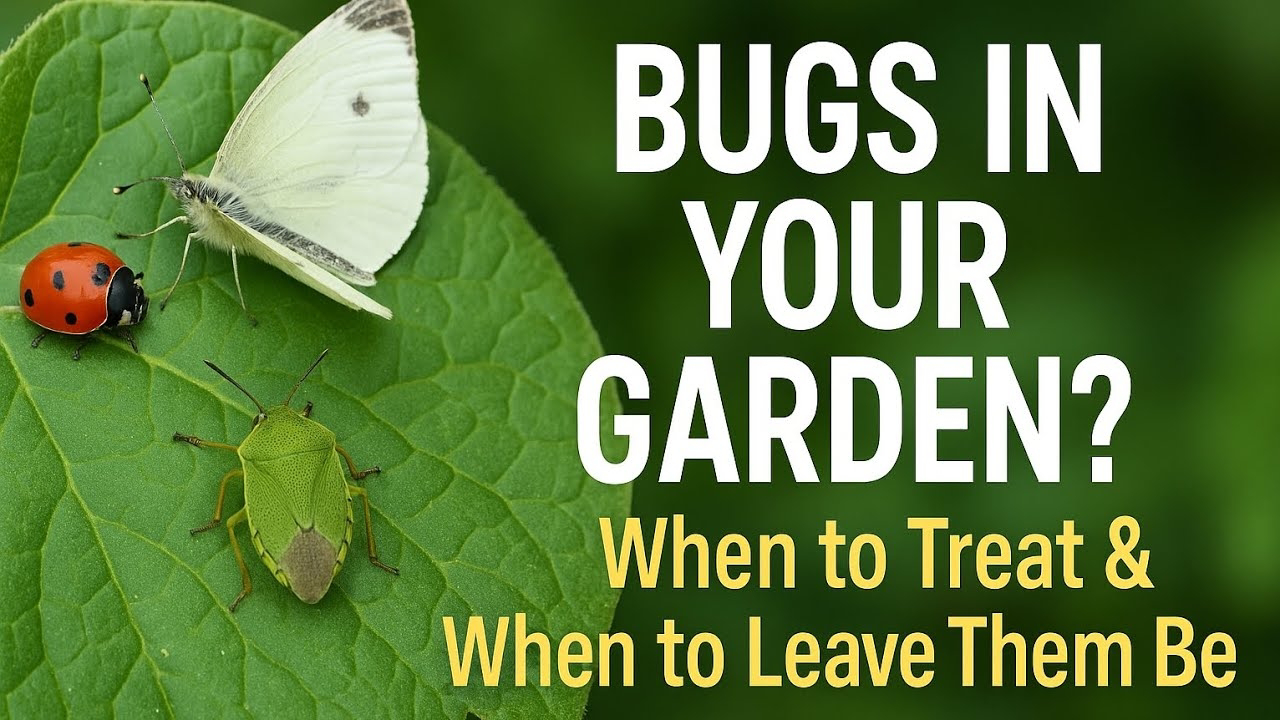
Good Bugs, Bad Bugs – Insects in the Garden and When to Step In

Not all bugs are bad! In this episode, we take a closer look at the insects in your garden — the good, the bad, and everything in between. You’ll learn how to tell if a bug is helpful or harmful, when to intervene, and why most plants can handle a little nibbling without any real harm.

We also dive into the debate between organic and synthetic insecticides — breaking down the myths, facts, and what you really need to know about treating your garden safely. Spoiler alert: everything is a chemical, and both options have risks if misused.

Whether you're a new gardener or a seasoned grower, this video will help you create a more balanced, thriving garden ecosystem by understanding how to live with insects — not just fight them.

🌿 Because sometimes, the best pest control… is patience.


#GardeningTips #InsectControl #GoodBugsBadBugs #OrganicGardening #GardenPests #NaturalGardening #HomesteadGarden #EcoFriendlyGardening #GardeningEducation #HobbyFarming

Farm Vlog – Rabbit Escape, Kitten Goes Home, and Mosquito Mayhem!

Welcome back to Andersen Acres! Today’s farm vlog is a whirlwind of heat, chaos, and cute animals. Our lynx Rex rabbit, Silverado, decided to break free from his pen late last night—and of course, that meant an early-morning rabbit roundup. Tequila, our amazing livestock guardian dog, helped herd him into the garden shed, and Rowan managed to catch him safely. He’s totally fine—just gave us a bit of a heart attack!

We also said goodbye to Renee, our dilute calico barn kitten and the last from Jake’s litter. She went to her forever home today! We still have four adorable kittens left, but they’re not quite old enough to go home yet.

With no rain in sight and scorching temperatures, we spent most of the day watering the garden just to keep everything alive. And to top it all off? The barn is absolutely swarming with mosquitoes. That’s my next battle.

This is real life on a working hobby farm—animals, gardens, weather, and all the unpredictability in between.


#homesteading #hobbyfarming #farmvlog #rabbits #rexrabbit #barncats #kittenadoption #gardeninglife #farmanimals #rurallife #backyardfarm #mosquitoproblems #andersenacres #farmlife

Wednesday, July 2, 2025

Quack Companions – Should You Keep Ducks as Pets?

Are ducks good pets? Can you really raise them just for companionship—not for eggs or meat? In this video, we take a deep dive into the surprisingly charming world of ducks as pets. From cuddly ducklings to full-grown feathered friends, we’re exploring what it really takes to keep ducks purely for joy, not production.

We’ll walk you through the best duck breeds for companionship (like the friendly Pekin, the quirky Muscovy, and the playful Rouen), what daily care looks like, and whether indoor or outdoor duck life is best. We’ll also cover the pros and cons of duck ownership—because while ducks can be affectionate and fun, they’re also extremely messy.

Whether you’re a homesteader, hobby farmer, animal lover, or just duck-curious, this guide is packed with honest, experience-backed insights to help you decide if ducks belong in your life—not just in your pond.

If you’ve ever wondered whether a duck could be your new best friend, this one’s for you.


#ducksaspets #hobbyfarming #homesteadinglife #backyardducks #duckcare #petducks #andersenacres #farmlife #ducklings #raisingducks #homesteadanimals #rouenduck #pekinduck #muscovyduck #homesteadcompanions

Farm Vlog – A Rabbit Rescue and a Mystery Duck?!

Welcome back to Andersen Acres! Today’s vlog might seem quiet on camera, but behind the scenes it was anything but boring. While carrying our eight fluffy livestock guardian puppies out to their pen, Tequila—our heroic Great Pyrenees—suddenly charged into the bush. Moments later, she emerged with one of our escaped brown rex rabbits crouched between her front legs, gently nudging her to safety. A raccoon had been attacking her, and thanks to Tequila’s quick action, Stump is banged up but safe.

Then there’s the duck math. We started with six ducks, added three juveniles and one baby, sold the three juveniles… and somehow, we still have eight ducks. And the extra one? A full-grown Cayuga. Where it came from, we don’t know. No one around here even has Cayugas. So we’ve got ourselves a feathered mystery on our hands!

This video is part of our daily hobby farm life here on Andersen Acres. Even when the footage is calm, the stories behind it are wild. Whether you're into livestock guardian dogs, backyard poultry, or just love a good farm mystery, you’ll find something here.


#hobbyfarming #homesteadinglife #farmlife #ducksofinstagram #rabbitrescue #greatpyrenees #mysteryduck #andersenacres

Tuesday, July 1, 2025

Farm Fights Episode 7 - Raw Milk, Health Food or Health Hazard

In this month’s episode of Farm Fights – Controversies in the Hobby Farming World, we’re tackling a topic that stirs up strong opinions across the farming community: raw milk.

Is it a wholesome, natural superfood? Or a dangerous gamble for your health? The answer might surprise you.

Join me as I break down the science behind pasteurization, explore the real risks of raw milk, and bust some of the most common myths surrounding it — including one major misconception about raw milk cheese. This isn’t about fear or hype — it’s about facts. Whether you drink raw milk yourself, sell it, or are just curious about the controversy, this episode is for you.

I’m not here to tell you what to do — I’m here to make sure you’re informed.

👉 Stick around for a full Q&A session at the end where I answer the most frequently asked questions about raw milk, safety, legality, and more.

🔔 Don’t forget to subscribe and hit the bell so you never miss an episode of Farm Fights.


#RawMilk
#PasteurizedMilk
#FarmFightsPodcast
#HobbyFarming
#MilkSafety
#DairyFarming
#ControversialTopics
#AndersenAcres
#HomesteadingDebates
#RawMilkVsPasteurized
#CheesemakingMyths
#KnowYourFood
#FoodSafety
#SmallFarmLife
#InformedChoices

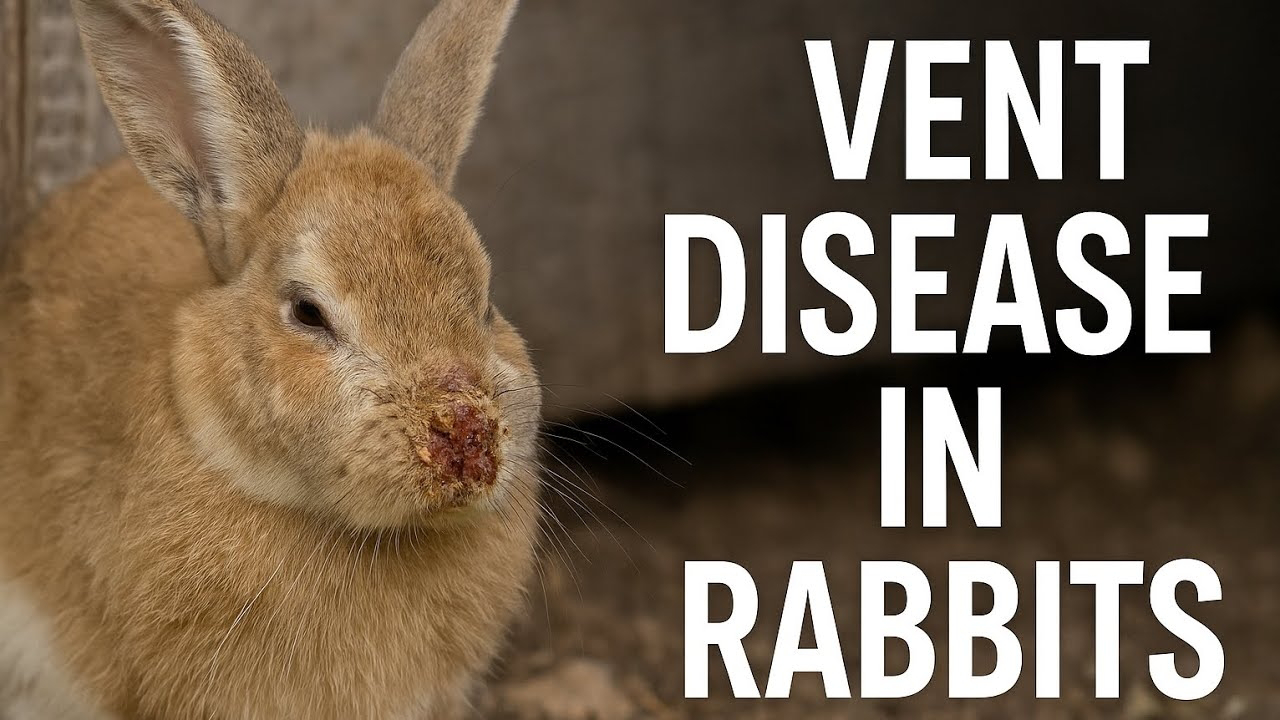
Vent Disease in Rabbits – What It Is and How to Prevent It

Vent disease, also known as rabbit syphilis, is a serious and often misunderstood condition that can spread quickly through a rabbitry if left unchecked. In this video, we’re talking all about what vent disease is, how it spreads, what symptoms to watch for, and—most importantly—how to treat and prevent it in your rabbits.

Whether you raise rabbits for meat, fiber, pets, or show, understanding diseases like this is essential to keeping your animals healthy and your breeding program on track. We’ll go over what the lesions look like, how the infection affects both bucks and does, why a pregnant doe might miscarry, and how penicillin can be used (safely!) to treat the condition under veterinary guidance.

You’ll also learn about responsible breeding practices, quarantine protocols, and how to spot early signs of illness before they become a major issue. This is a must-watch for anyone raising rabbits or thinking about adding rabbits to their homestead or hobby farm.

If you’ve ever dealt with vent disease—or have questions about rabbit health—drop a comment below and join the conversation!

🐇 Perfect for:

Hobby farmers

Homesteaders

Rabbit breeders

Animal lovers

Backyard pet owners

🔍 Learn how to:

Recognize vent disease symptoms

Treat infected rabbits safely

Prevent disease spread in your herd

Make informed decisions about breeding


#rabbitcare #ventdisease #hobbyfarming #rabbitbreeding #homesteading #rabbithealth #backyardrabbits #rabbitry #animalcare #andersenacres

Farm Vlog – Breeding Rabbits, Candling Quail Eggs, and Making Butter in the Heat

Welcome back to Andersen Acres! In today’s hobby farm vlog, we’re battling the summer heat while getting a whole lot done around the homestead. From checking on the animals to breeding our rabbits and candling quail eggs, it’s been a busy day — even if there wasn’t much to film! You’ll see us breed two Rex rabbits and one Holland Lop in hopes of baby bunnies in about a month, plus we’re keeping an eye on our pregnant Lop, Libra. We also candled our latest batch of quail eggs, but since they got wet before incubation, development isn’t looking great.

On the kitchen side of things, it was time to make more homemade butter — we go through a ton of it here between baking and cooking for the farm family. Everyone’s doing well: Shadowfax, Arwen, Blue the turkey, the ducks, the chickens — just hiding out in the shade like the rest of us trying to survive the heatwave.

If you love real farm life, raising animals, homesteading, and the everyday hustle of a hobby farm, don’t miss this one!


#farmvlog #hobbyfarming #homesteadinglife #rabbitbreeding #quailfarming #makingbutter #homesteadkitchen #chickensofyoutube #ducksoftiktok #summeronthefarm #andersenacres